
Read the snow
The moisture content, temperature and depth of the snow affect how well the trail can be shaped and compacted.
Good trails take patience, the right conditions, dedicated equipment, and countless volunteer hours.
Behind every smooth ride
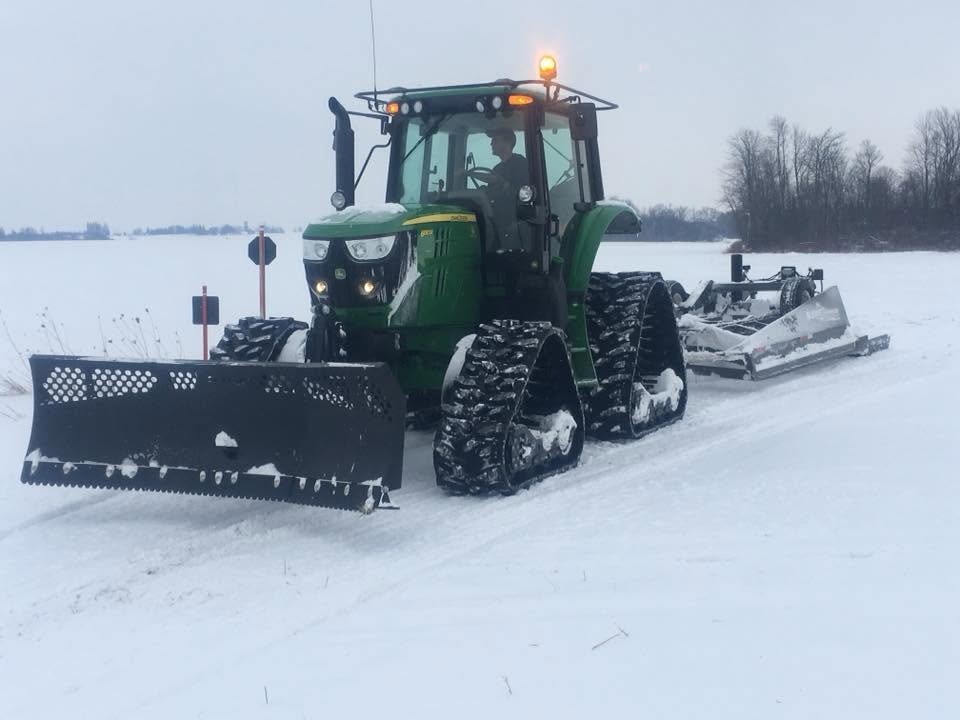
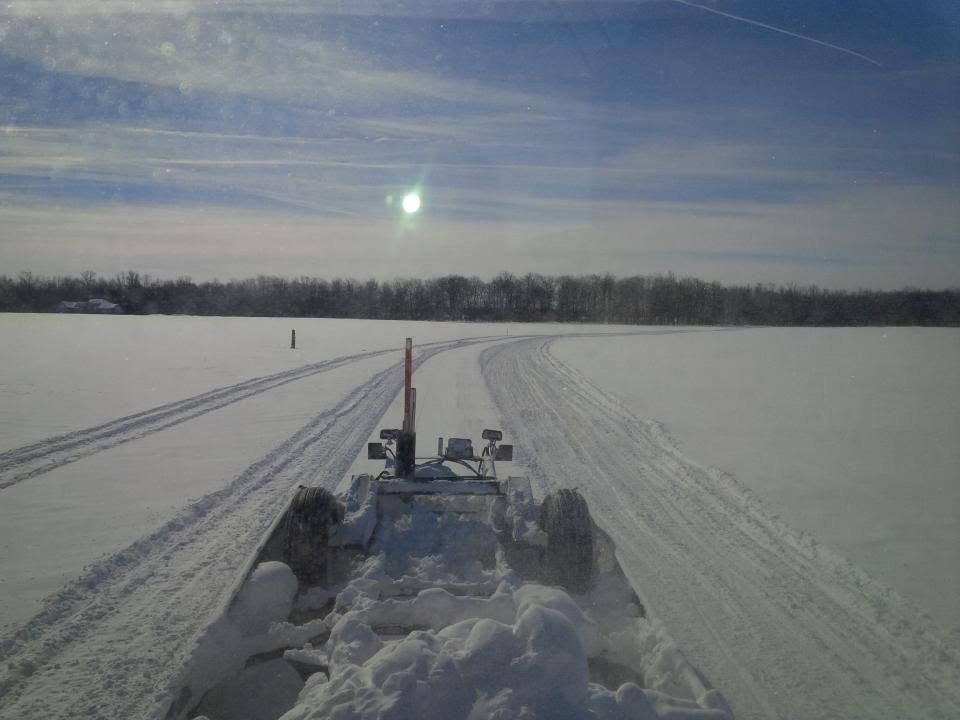
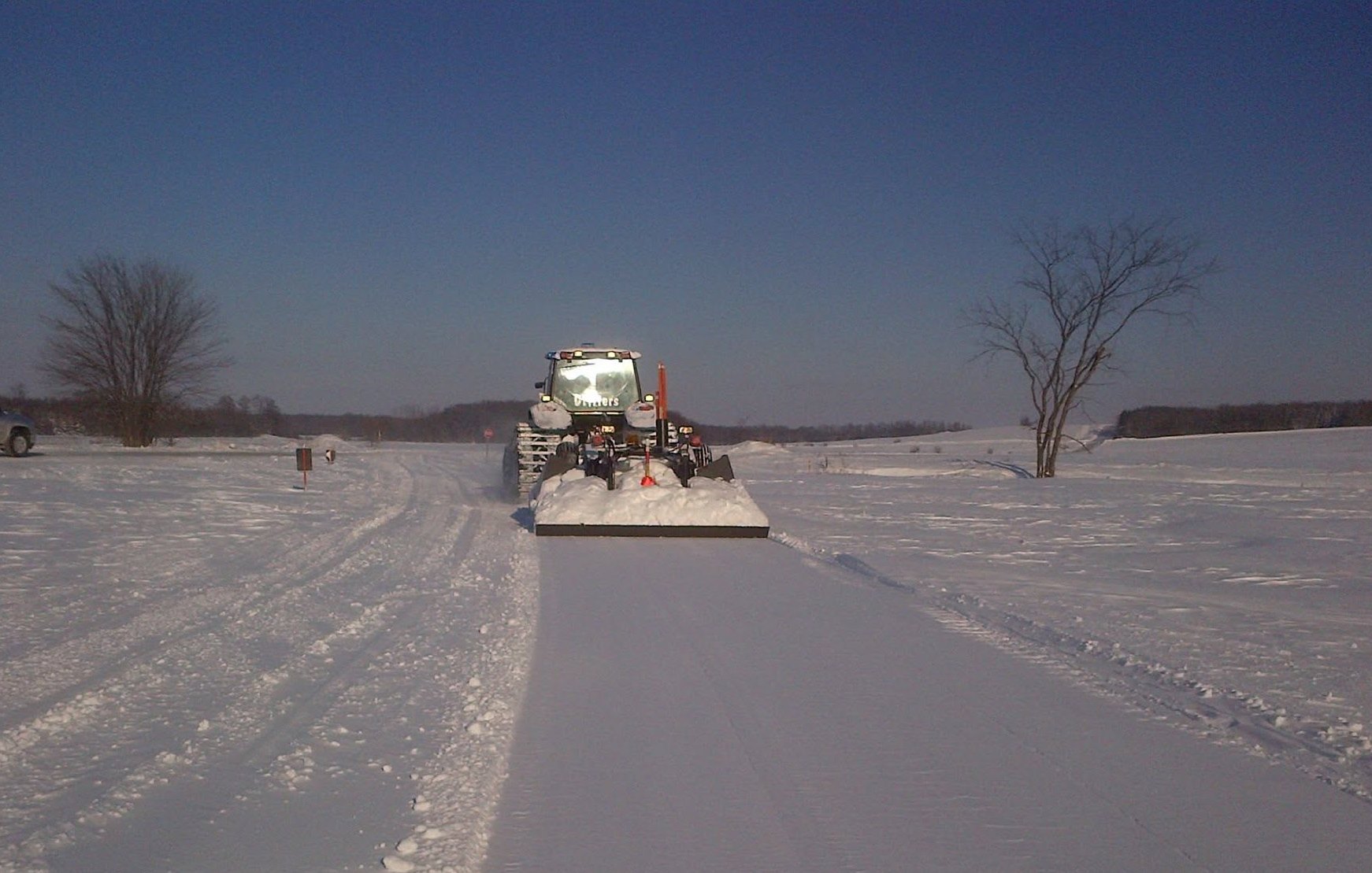
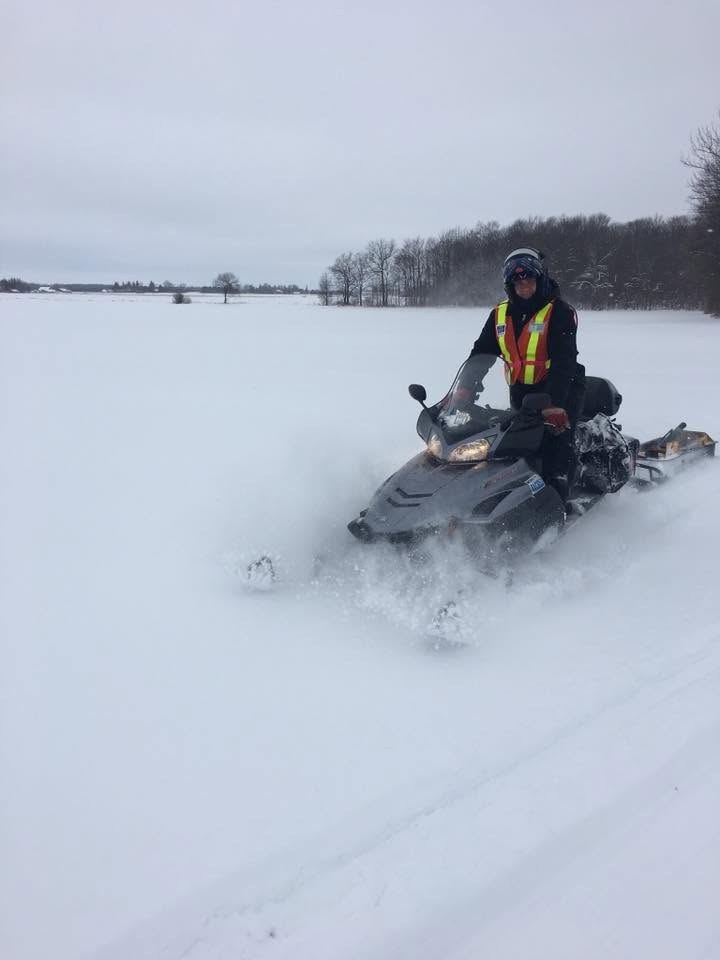
Trail grooming is one of the most important—and challenging—parts of keeping snowmobile trails in good shape. Science Hill Drifters volunteers maintain the equipment and put in the hours needed to improve riding conditions whenever the weather and snowpack allow.
Our club has historically operated two groomers, with equipment based near the St. Marys clubhouse and in the Lucan/Ilderton area. Dedicated volunteers have helped maintain and operate these machines.
Having equipment in different areas has helped the club serve its trail network and provided flexibility when maintenance or breakdowns occurred. Historically, the club reported an average of around 500 hours of grooming per year and aimed to groom trails twice weekly when conditions allowed; these figures are included as background rather than current operating commitments.
What goes into a good trail
Snow behaves differently with every change in temperature and moisture. Operators must continually adjust the grooming drag to work with the conditions they encounter.
The moisture content, temperature and depth of the snow affect how well the trail can be shaped and compacted.
Operators constantly adjust the grooming equipment as trail surfaces and snow conditions change.
Colder nights and periods with less snowmobile traffic can help the groomed surface firm up. Not every snowfall produces a hard base.
Trail grooming
Volunteer-built trails
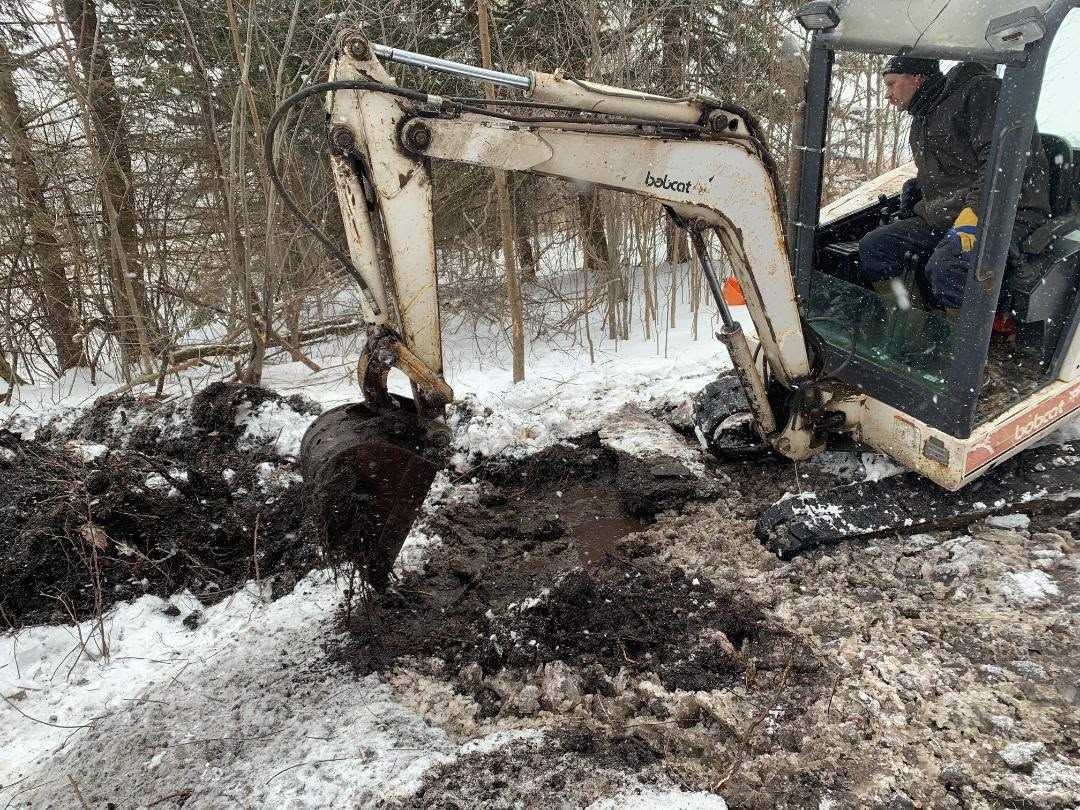
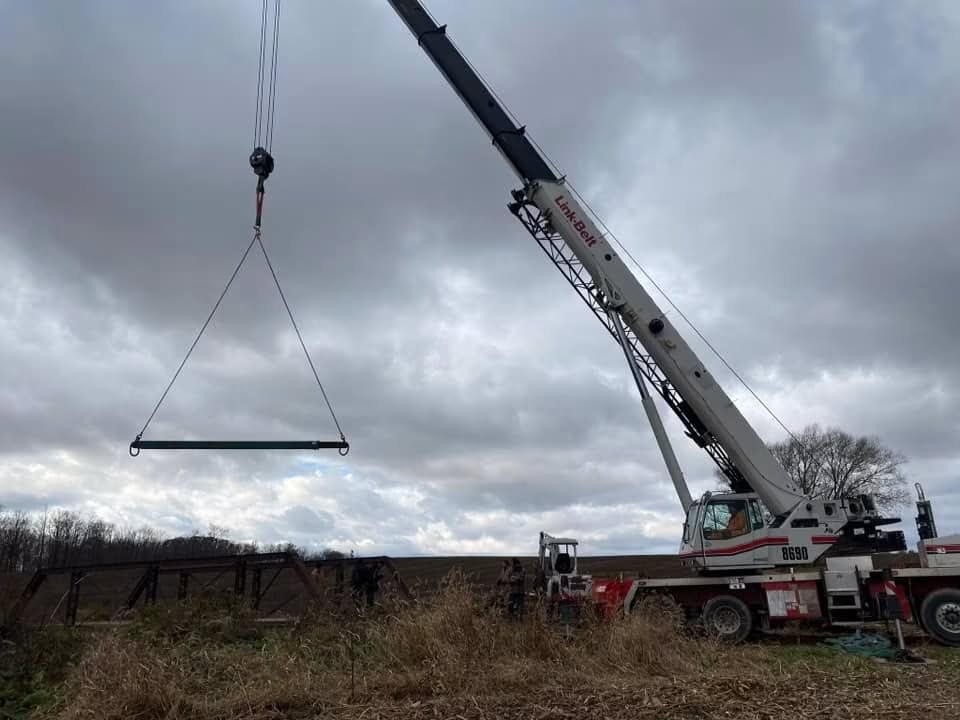
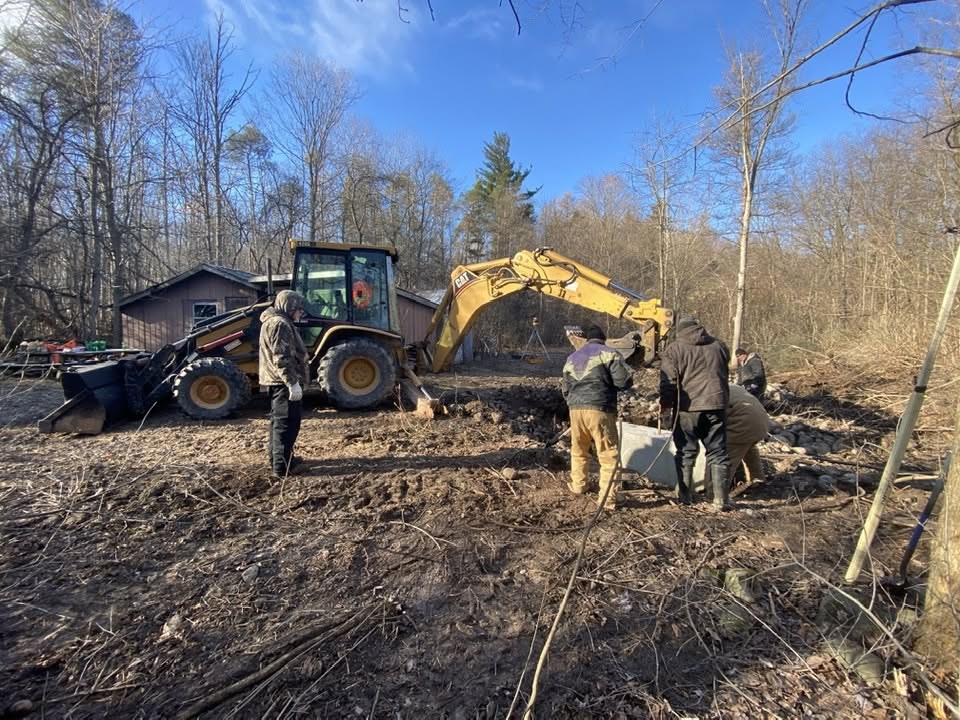
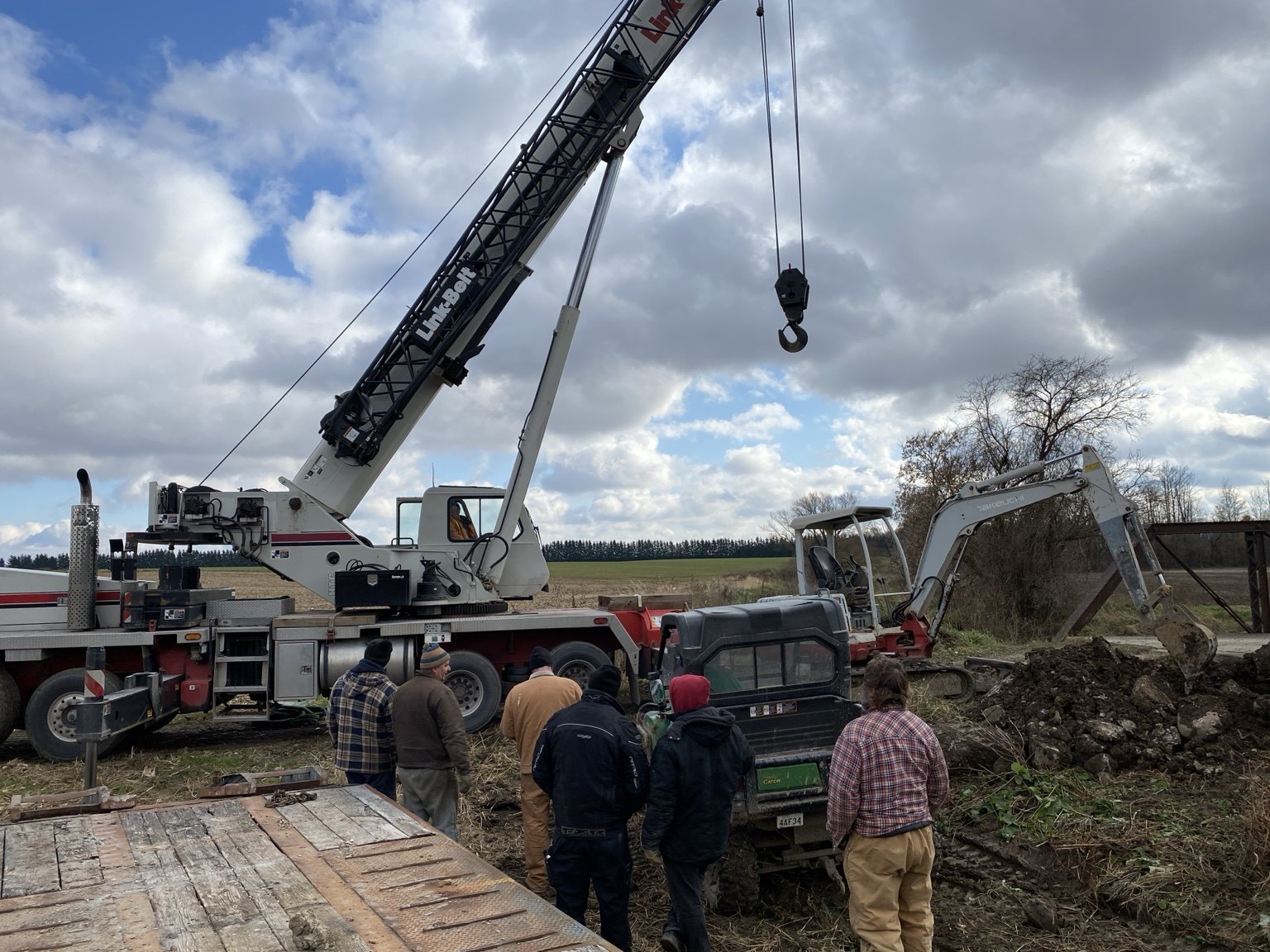
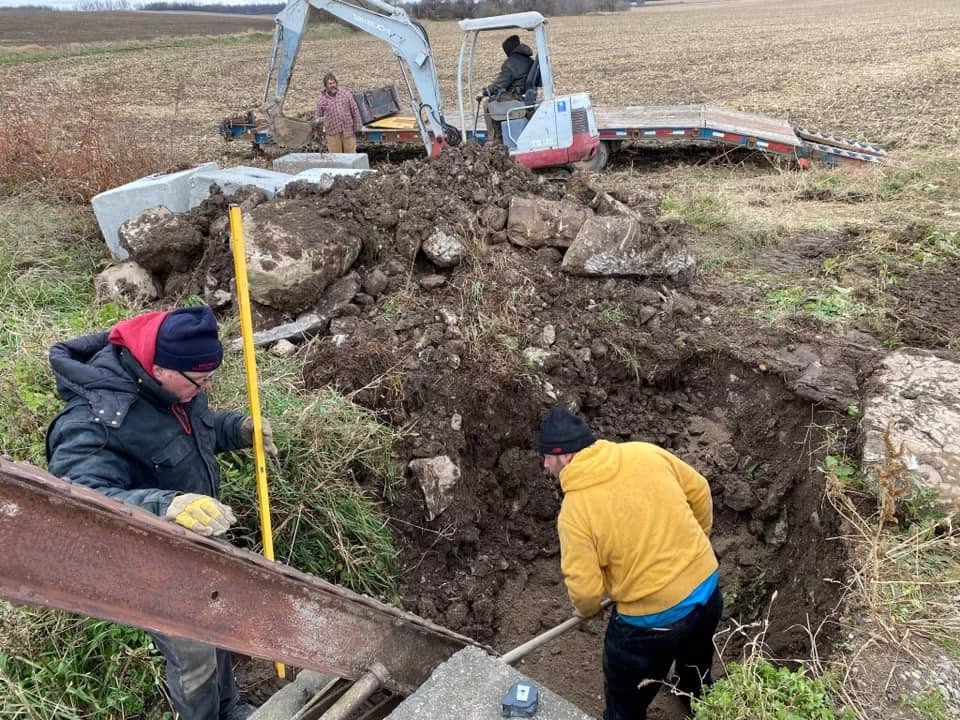
Bridge maintenance, staking and seasonal trail preparation are part of the work behind every ride
Planning a ride?
Grooming work does not mean a trail is open. Always consult the OFSC Interactive Trail Guide before heading out, and stay off trails shown as closed.